
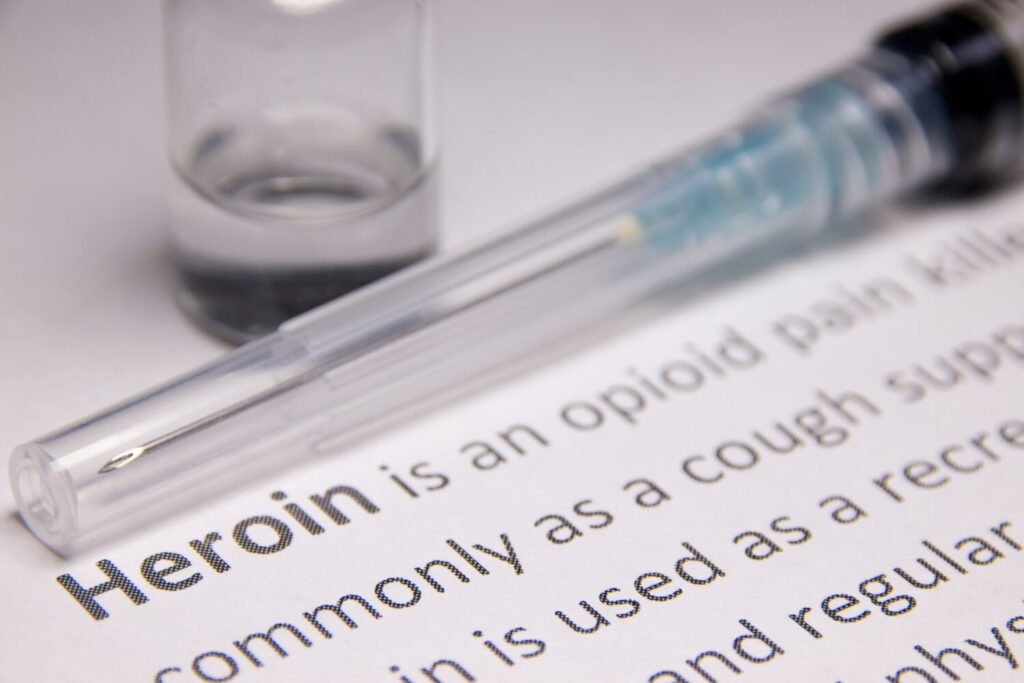
Heroin Detox
Heroin is one of the most notorious drugs in the world — it has destroyed countless lives and families. For decades, it has remained one of the most commonly used psychoactive substances among addicts.
No matter what drug a person starts with, they will very likely end up using heroin. And once they do, heroin addicts are willing to do absolutely anything to get their next fix.
Heroin (chemical name: diacetylmorphine) was first synthesized in 1874. Initially, it was believed to be non-addictive and safe; it was used as a substitute for morphine and even marketed as an ordinary medicine. By the late 19th century, it was sold in pharmacies under the brand name “Heroin” as a cough suppressant for adults and children alike. As it later turned out, this was a terrible mistake.

The number of “coughers” increased exponentially, along with the volume of the “medicine” being consumed. As a result, heroin was first restricted in medical use and later banned altogether (e.g., in the U.S. in 1924). Unfortunately, the damage was already done.
Even a century later, humanity still hasn’t eradicated heroin addiction, despite having access to advanced detox solutions. The reason lies in human weakness, inability to cope with difficulties, and the craving for an “easy way out.”
Heroin: Health Damage
Many drugs create physical dependence faster than heroin. So why is it so hard to quit? Why does it consume people so completely?
The main “trap” of heroin lies in its intense psychological grip — it delivers instant, concentrated euphoria. Achieving such feelings in real life is extremely difficult, but heroin delivers them in seconds. The problem is that the happiness quickly fades, and the user needs more just to feel “normal.”
Over time, users build tolerance, requiring higher doses to feel the same effects, while the level of pleasure keeps dropping. Eventually, addicts no longer seek a high — they take heroin simply to avoid withdrawal. Meanwhile, the body starts to fall apart.
Heroin users often experience:
- frequent nausea and vomiting;
- loss of appetite;
- immune dysfunction (frequent infections);
- oral health issues (teeth and gums);
- severe damage to the liver, kidneys, and other organs.
Even if someone decides to return to a normal life, quitting heroin without help is incredibly difficult. The drug replaces the body’s natural endorphins (pain regulators), and the body stops producing them. This leads to constant depression and widespread physical pain.
Even if one survives the 5–7 days of withdrawal, life may feel empty and joyless. The problem must be addressed comprehensively. The only real chance of escaping this nightmare is to go through recovery with professional support.
Heroin Detox and Rehabilitation at Freedom Clinic
Freedom Clinic in Israel specializes in treating alcohol and drug addiction. We help heroin addicts successfully overcome both physical and psychological dependence and return to normal life. Our clinic treats both Israeli citizens and international patients.
The first step in treating heroin addiction is cleansing the body of all toxins accumulated from drug use — this is the detox phase. It’s not a pleasant process, as patients must endure withdrawal symptoms, which begin just hours after the last dose.
The length of detox depends on the patient’s health condition. The first 3–4 days are usually the hardest, during which patients may experience:
- severe stomach cramps;
- nausea, vomiting, and diarrhea;
- fever and chills;
- muscle and joint pain;
- high blood pressure and rapid heartbeat;
- hot and cold sweats;
- anxiety, depression, and fear;
- intense cravings for heroin.
To ease the toughest days of detox, Freedom Clinic specialists use effective medications to relieve symptoms and monitor patients around the clock, ensuring immediate assistance as needed for addiction treatment. We make sure patients never feel isolated or alone. Comfort and safety are vital for successful recovery.

Heroin Detox: What’s Next?
Once withdrawal symptoms subside and physical dependence is overcome, the patient is ready for the next phase — psychological rehabilitation.
This stage is just as important as detox, because heroin deeply alters a person’s mind and behavior. The goal is to restore mental balance, develop a desire for normal life, and learn how to experience joy without heroin. Without this, relapse is likely, and the physical battle will have been in vain.
Freedom Clinic offers comprehensive and effective treatment programs, tailored to each patient based on their psychological and physical condition.
To address the psychological side of heroin addiction, we provide individual and group therapy sessions with psychotherapists, as well as family therapy to repair relationships damaged by addiction. One of our key tools is the globally recognized “12-step program,” which helps patients rediscover themselves, find meaning, and learn to live differently.
You are not alone! To complete a full heroin addiction recovery program — from detox to full social reintegration — and receive continued support even after treatment, contact us by phone or leave a request on our website.

